
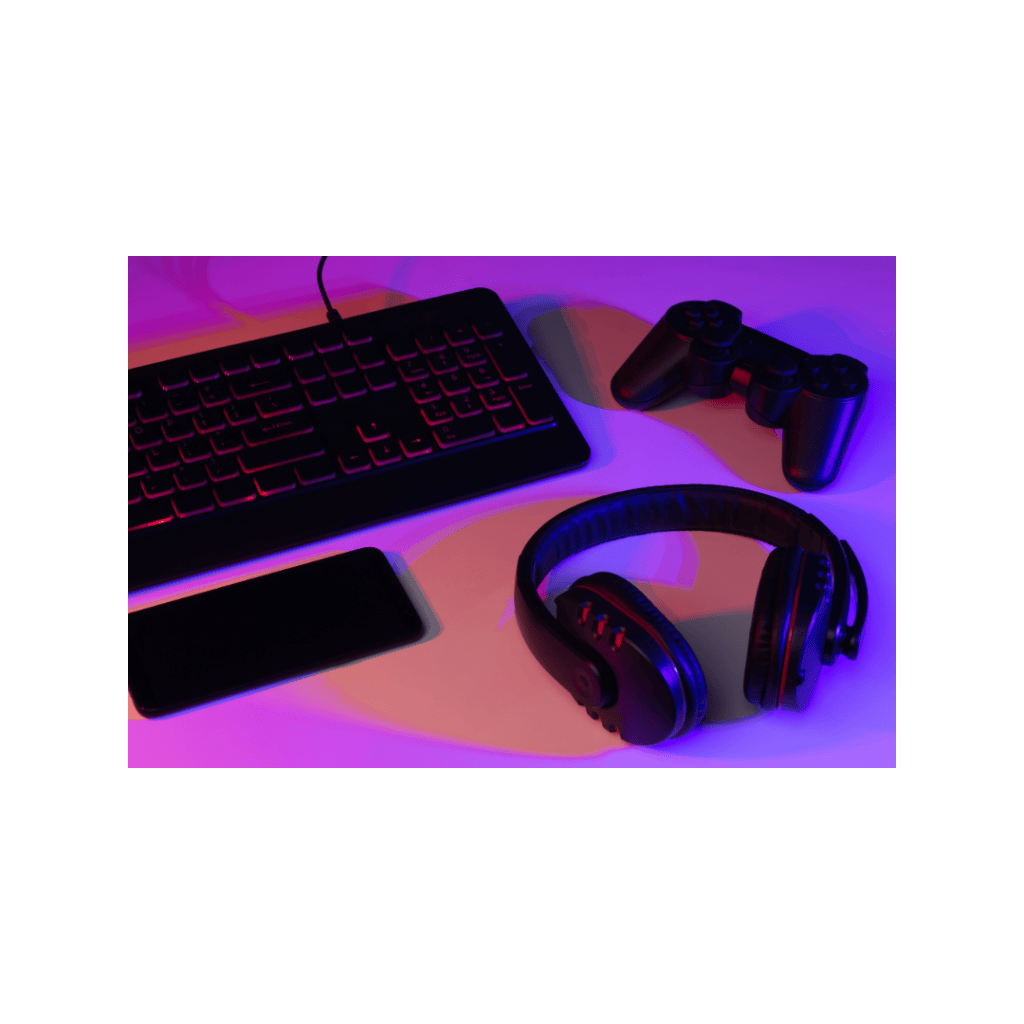
Welcome back, friends! I’m so glad you’re here for installment 21 of our Boss Up and Change Your Life series. Today, we’re exploring how gaming can be more than entertainment—it can be a powerful mental health tool.
🌼 Why Gaming Helps Mental Health
Games aren’t just play—they’re interactive stories, creative outlets, and safe spaces to explore. When used intentionally, gaming can:
- 🌱 Reduce stress by offering relaxation and distraction.
- 🧠 Build problem‑solving skills through puzzles and strategy.
- 🤝 Strengthen social connection in multiplayer or community spaces.
- 🎨 Spark creativity through design, storytelling, and customization.
- 💬 Provide emotional release by immersing in cozy or cathartic worlds.
🔥 The Consequences of Neglecting Play
Just like Sims need fun, we need play. Without it, stress builds, burnout rises, and joy fades. Gaming reminds us that play isn’t frivolous—it’s fuel for resilience, balance, and creativity.
🌸 Cozy Gaming as Self‑Care
Cozy games like The Sims 4, Stardew Valley, or Animal Crossing offer gentle quests that soothe the mind. They provide:
- Safe spaces to experiment with routines and creativity.
- Gentle pacing that models balance and rest.
- Opportunities to connect with friends or online communities.
🕰️ Intentional Gaming
Like any tool, gaming works best with balance. Too much can lead to avoidance, but intentional play can:
- Reset your “fun bar.”
- Provide mindful breaks between tasks.
- Create rituals of joy (like a daily farm check‑in or building session).
💬 Counselor’s Lens
With my counseling background, I see gaming as a form of active self‑care. It combines relaxation, creativity, and connection. When integrated thoughtfully, it becomes a restorative practice—helping us cope with stress, nurture relationships, and spark joy.
🎮 The Quest Challenge
This week, schedule one intentional gaming session—choose a cozy game, set a time limit, and notice how it shifts your mood bar. Bonus: reflect on whether gaming sparked creativity, connection, or relaxation.
📓 Reflection Prompts
- How did gaming affect my mood bar today?
- Did I feel more relaxed, creative, or connected afterward?
- What game mechanics or rituals felt most restorative?
- How can I balance gaming with other self‑care practices?
🌟 Key Takeaways
- Gaming can be a powerful mental health tool when used intentionally.
- Cozy games provide relaxation, creativity, and connection.
- Play isn’t frivolous—it’s fuel for resilience and joy.
- Balance is key: gaming works best as part of a broader self‑care toolkit.
💬 Closing Reflection
Gaming isn’t just play—it’s presence, creativity, and connection. Next time you send your Sim to recharge their fun bar, take a moment to ask yourself—how can I use gaming to recharge my own mental health bar today? 🌸🐝👑


